Northwest Meridian
Covered Outdoor Kitchens in Northwest Meridian
A patio in a brand-new Northwest Meridian subdivision usually has nothing standing between it and the open sky: no mature trees, no established fence line thick with landscaping, nothing breaking wind or sun the way an...
10 years building in Meridian
70+ outdoor kitchens completed
RCE-69511 Idaho registration
Reviewed by Janine Burrows Outdoor Kitchen Designer and Erica Jensen Office Manager, Outdoor Kitchen & Patio
Without mature trees or established landscaping, a patio in a development like BridgeTower West or Sawtooth Creek takes wind and sun essentially unfiltered, the way an older neighborhood’s yard stopped experiencing years ago once its trees grew in. That’s a real engineering consideration for a cover here, not just a comfort question.
It’s also worth checking your specific HOA’s architectural guidelines before finalizing a design. Many newer Meridian communities require an attached or freestanding roofed structure to use roofing material and color that matches the primary residence, which can shape the choice between a pergola and pavilion before shade or wind protection even enter the conversation.
Local Planning
What Covered Outdoor Kitchens Look Like in Northwest Meridian
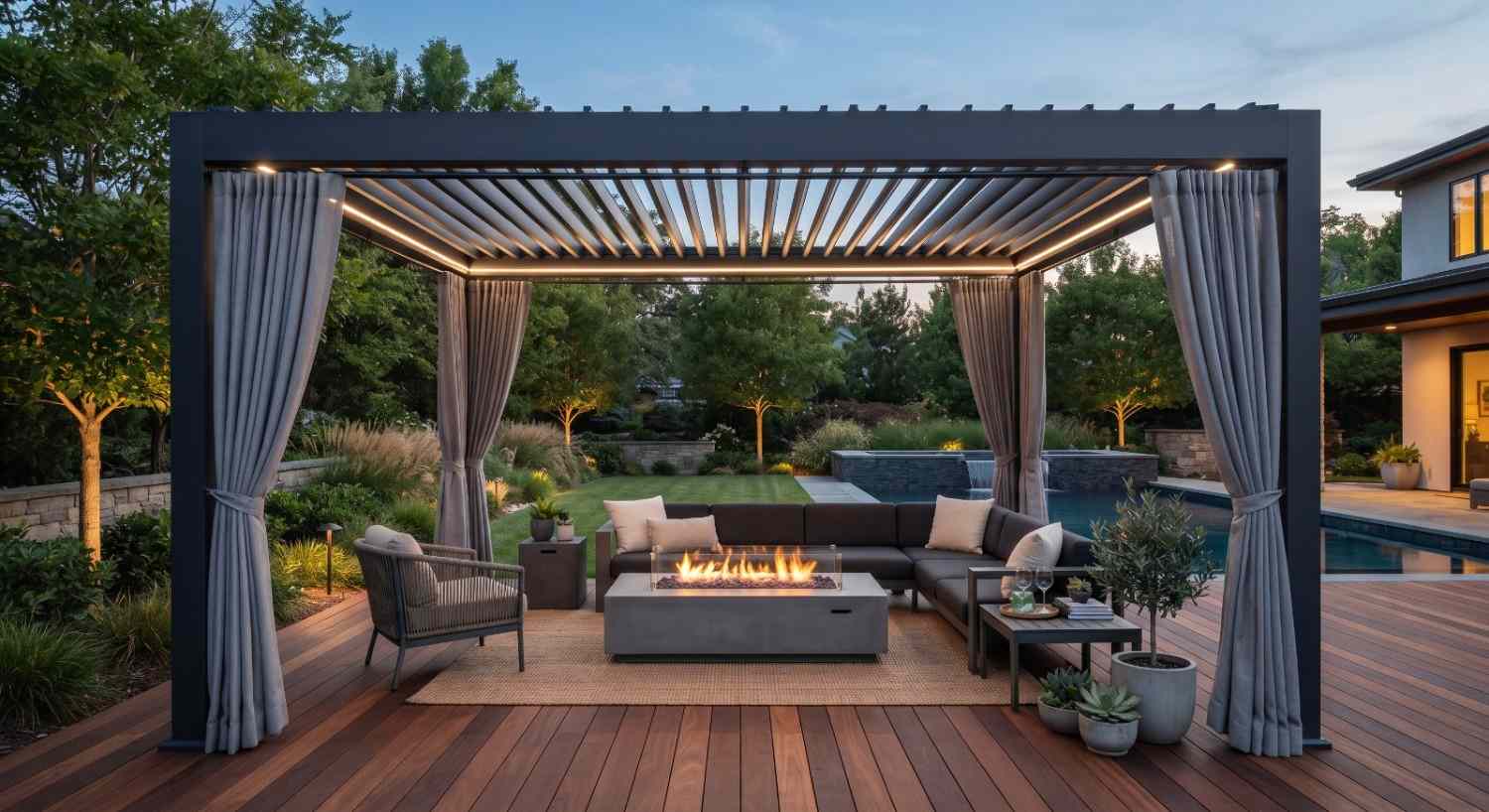
The value of a cover here isn’t just shade, it’s genuine protection from wind that has nothing slowing it down before it reaches your cook line. A pergola softens direct sun but does little to break wind on a fully open lot. A pavilion with a solid roof provides more complete protection, but if your HOA requires the roofing to match your home’s shingles, that’s a real cost and sourcing detail worth confirming before the design is finalized, not after.
Drainage and ventilation still matter regardless of structure type, and on a lot without established grading patterns from years of settled landscaping, it’s worth confirming exactly how water will move once a roof structure changes the runoff pattern.
Regional Considerations
Covered Structures Built for Idaho Winters
The threat here is the same freeze/thaw cycle found anywhere in Meridian, and Meridian’s minimum post footing depth applies to a pergola or pavilion post on a newly graded lot exactly the same way it would on an established one. What’s different is the wind load a structure has to withstand without any natural buffer, which affects post sizing and bracing more than it would on a yard with mature trees absorbing some of that force.
A pavilion’s solid roof also needs proper snow load engineering, on top of whatever wind considerations the open lot adds. If HOA guidelines require matching roofing materials, that choice needs to satisfy both the design review and the structural requirements together, not as two separate conversations.
An open lot takes real wind. Let's engineer your cover for the exposure you actually have, and check your HOA's roofing requirements while we're at it.
Get a Free Site MeasureFind out what your yard allows
We come out and tell you what you are allowed to build before anything is drawn. On site, at no cost.
Or call (208) 856-3233Structure Options
Pergola or Pavilion: What’s the Difference?
Neither structure is universally “better”, the right one depends on how much wind and sun protection your open lot actually needs, and what your HOA allows.
Pergola
An open, slatted roof structure that softens direct sun but offers limited wind protection on a fully exposed lot.
Pavilion
A solid-roof structure that blocks rain, snow, sun, and wind more completely, though HOA guidelines may require its roofing to match your home’s material and color.
Wind Screens
Panels or partial walls that add real wind protection to an open pergola, particularly useful without mature trees to help.
Attached vs. Freestanding
Whether the structure ties into the home’s roofline or stands independently, which affects both engineering and how HOA matching requirements might apply.
Explore Pergola Outdoor Kitchens Explore Outdoor Kitchen Pavilions
Extending the Season
Getting More Months Out of the Space
Infrared Heaters
Mounted overhead or on posts, providing direct radiant heat without needing open flame.
Radiant Panels
Built into ceiling or wall surfaces for a more integrated heating approach.
Wind Screens
Panels or partial walls that reduce wind exposure, especially valuable on a lot without mature landscaping to help.
Lighting Integration
Planned into the roof structure itself, so evening use doesn’t rely on separate fixtures.
Ventilation Planning
Especially important over the cook line on a pavilion, where smoke and heat need somewhere to go.
Wondering whether your open lot needs a pergola's shade or a pavilion's full wind protection? Let's talk through it.
Get a Free Site MeasureStructure Planning
Planning the Cover Around Your Northwest Meridian Property
The starting point is an honest read of your lot’s actual exposure, since without mature trees or established fencing, most newer Northwest Meridian patios face wind and sun more directly than an older yard would. From there, checking your HOA’s specific design guidelines early can save real time, since some communities have strict requirements on roofing material, color, and even structure height that affect which option is realistic before engineering even begins.
Footing depth, snow load, and wind load all get worked out together, along with whether heating, lighting, or wind screens are part of the structure from the start.
Process
From Open Patio to Covered Kitchen
Check HOA Design Guidelines
Confirm any roofing material, color, or structure requirements specific to your development.
Assess Wind and Sun Exposure
Review how directly your open lot experiences both without mature landscaping to buffer them.
Choose Pergola or Pavilion
Weigh shade needs against wind protection and any HOA-driven material requirements.
Plan the Structure
Work out footing depth, snow load, and wind load requirements together.
Add Heating
Lighting, and Wind Protection, Integrate infrared heaters, lighting, or wind screens into the structure as needed.
Local Area Context
Covered Outdoor Kitchens Across Northwest Meridian
Developments like Paramount, BridgeTower West, and Sawtooth Creek share a common trait: lots that haven’t yet grown the kind of natural windbreak an established Meridian neighborhood already has. That makes wind, not just sun, a real design factor for a cover here. Many of these same communities also have HOA guidelines requiring roofed structures to match the home’s existing roofing material, which is a planning step an older, already-settled property typically doesn’t face.
The right structure comes from your specific lot’s exposure and your specific HOA’s rules, not a general assumption about what “Northwest Meridian” allows.
Recent Work
Recent work
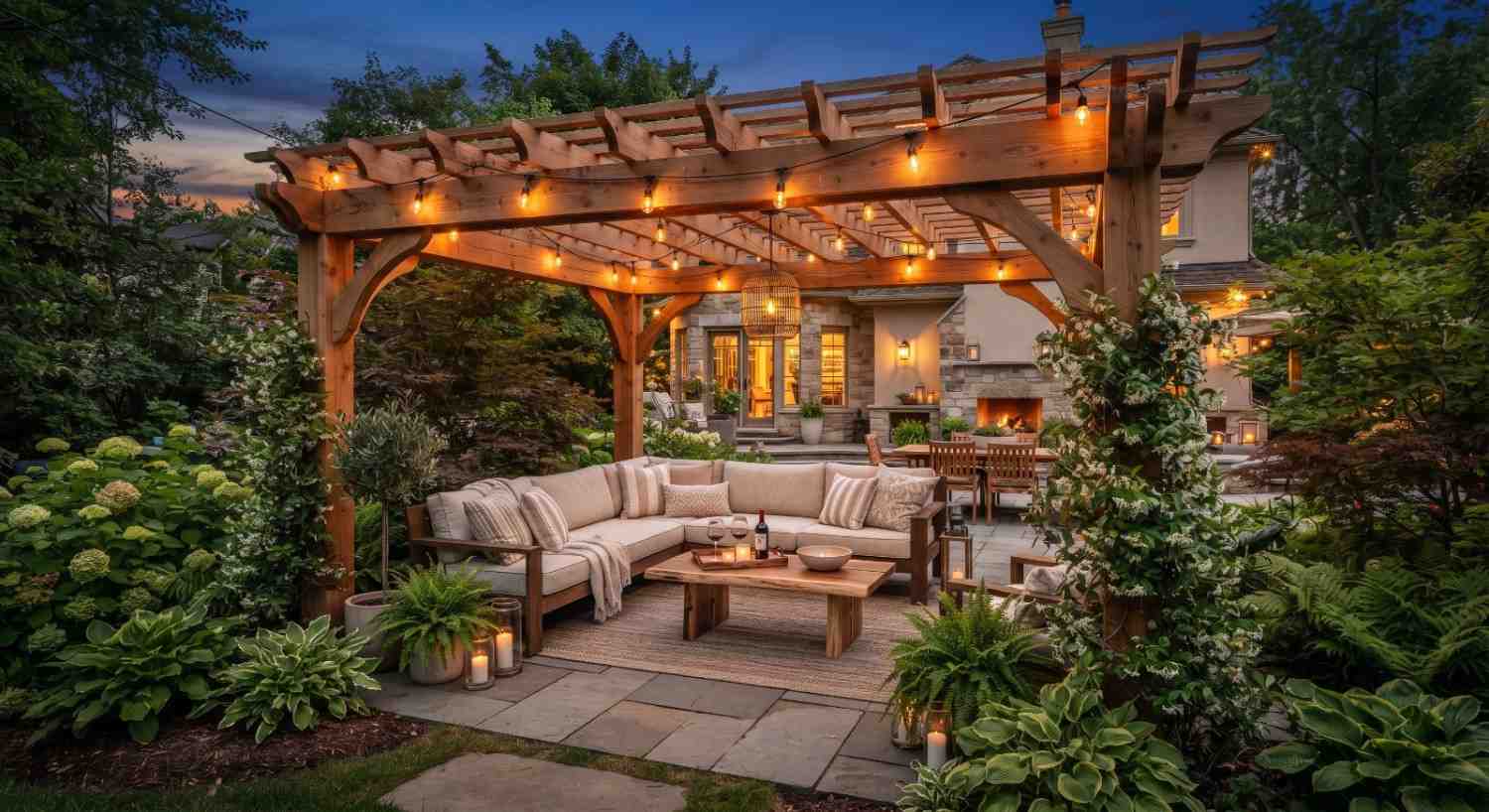
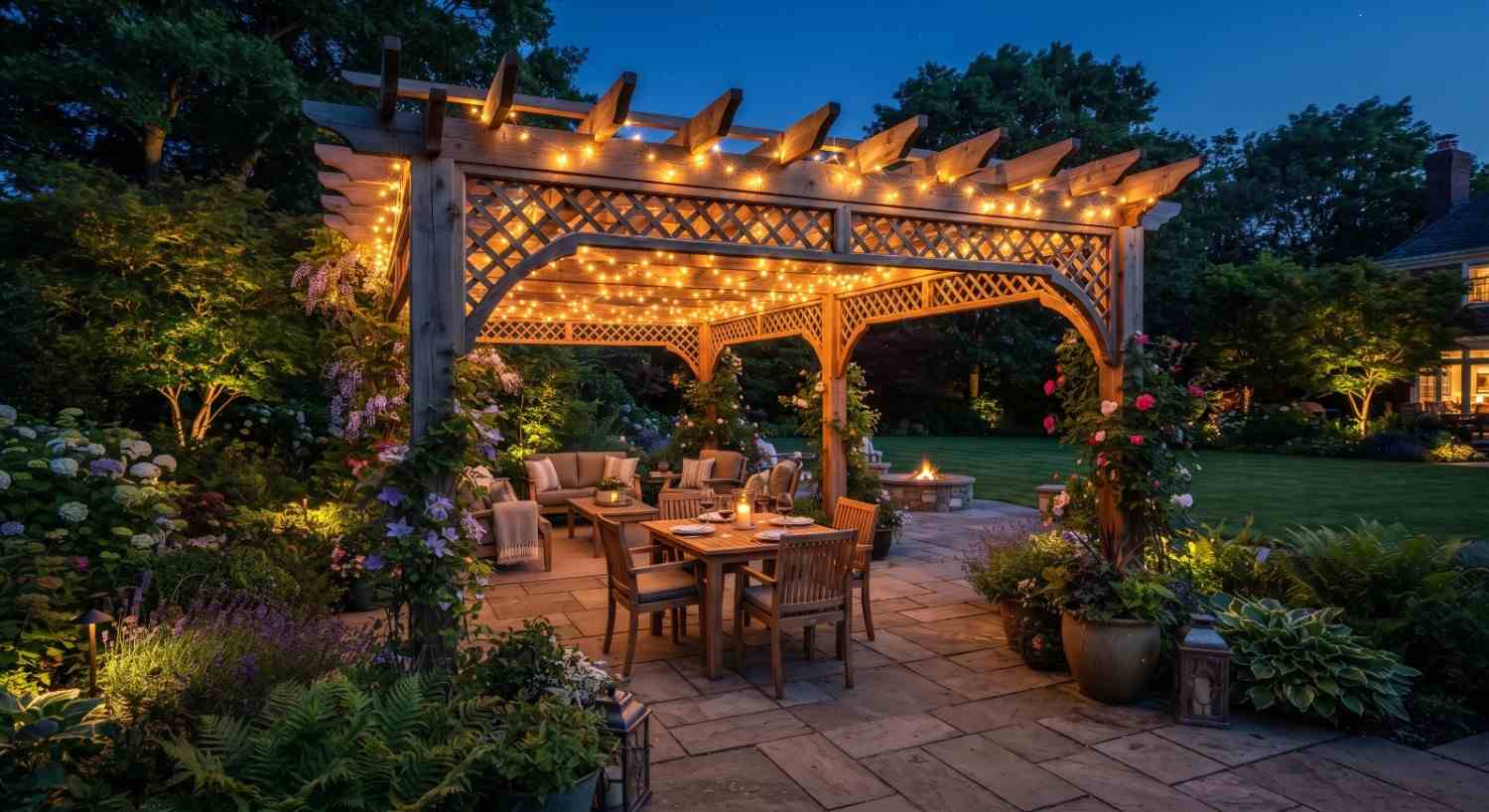
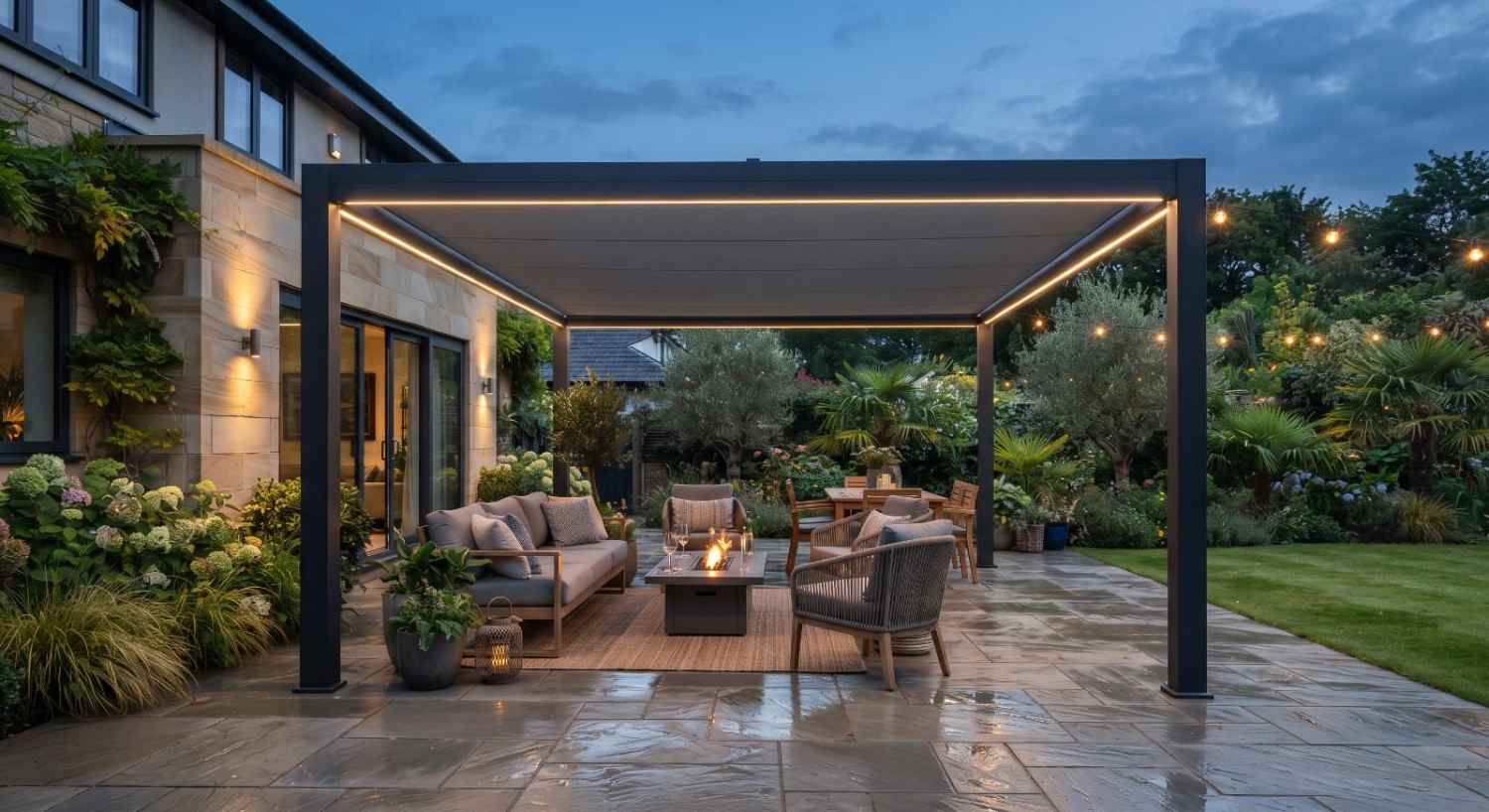
Our own work, photographed on site.

Approach
Which approach fits your space?
Pergola
Open shade, though limited wind protection on an exposed lot. Explore Pergolas
Pavilion
Solid protection built for Idaho snow, rain, and wind. Explore Pavilions
Heating
Extend your season with infrared or radiant heat.
Uncovered Construction
Best where sun and wind exposure aren’t major concerns. Explore Construction
Related
You may also be considering
Building on an Open Lot With Real Wind Exposure?
Start with your lot's actual conditions and your HOA's specific rules. We'll walk through pergola, pavilion, and wind protection options that fit both.
Or call (208) 856-3233Common Questions
Frequently asked questions
Cost depends on the structure type, size, materials, snow and wind load requirements, and any HOA-required roofing material matching. Since this varies significantly, it’s best discussed directly for your specific project.
Many newer Northwest Meridian communities do have this requirement, though it varies by development. Check your specific HOA’s design guidelines before finalizing a pavilion’s materials.
It depends on how much wind and sun protection you need. A pavilion offers more complete protection, including from wind, while a pergola with added wind screens can be a lighter-weight option that still addresses exposure.
Permit requirements depend on the scope of work, particularly for structural elements, electrical, and in some cases the size or attachment of the cover. Confirm requirements for your project with the City of Meridian and the appropriate authorities, separate from any HOA review.
Meridian requires post footings to reach a minimum depth to stay below the frost line, which protects against freeze/thaw movement. On an open lot, footing and post design may also need to account for added wind load.
Without mature trees or established landscaping to break it, a newer lot experiences wind more directly, which affects structural engineering for posts and bracing.
Often, yes, depending on the existing structure and available power or gas access. A site assessment is the best way to confirm what’s possible.
Yes. A solid-roof structure needs a snow load rating appropriate for the region, and on more exposed lots, wind load becomes an additional engineering consideration for rafters, posts, and roofing material.
Explore Covered Outdoor Kitchens across Meridian
Ready to Cover a Wide-Open Lot the Right Way?
Every new Northwest Meridian property faces real exposure, and its own HOA rules. Let's plan around both.
Get a Free Site Measure