Southeast Meridian
Built-In Pizza Ovens and Smokers in Southeast Meridian
Newer Southeast Meridian subdivisions pack homes closer together than an acreage property ever would, which means a pizza night that runs late, laughter, music, the occasional argument over toppings, carries further...
10 years building in Meridian
70+ outdoor kitchens completed
RCE-69511 Idaho registration
Reviewed by Janine Burrows Outdoor Kitchen Designer and Erica Jensen Office Manager, Outdoor Kitchen & Patio
Newer subdivision lots here tend to sit closer to their neighbors than an established or rural property would, which means sound and, with a smoker, drifting scent carry more readily across a shared fence line. A pizza oven positioned near a neighbor’s patio or bedroom window can turn a fun family evening into an ongoing source of friction, especially if use tends to run into later hours.
None of that rules out building one. It just means placement benefits from a genuine walk of the property with neighboring windows and patios in mind, not just your own layout preferences.
Local Planning
What Built-In Pizza Ovens and Smokers Look Like in Southeast Meridian
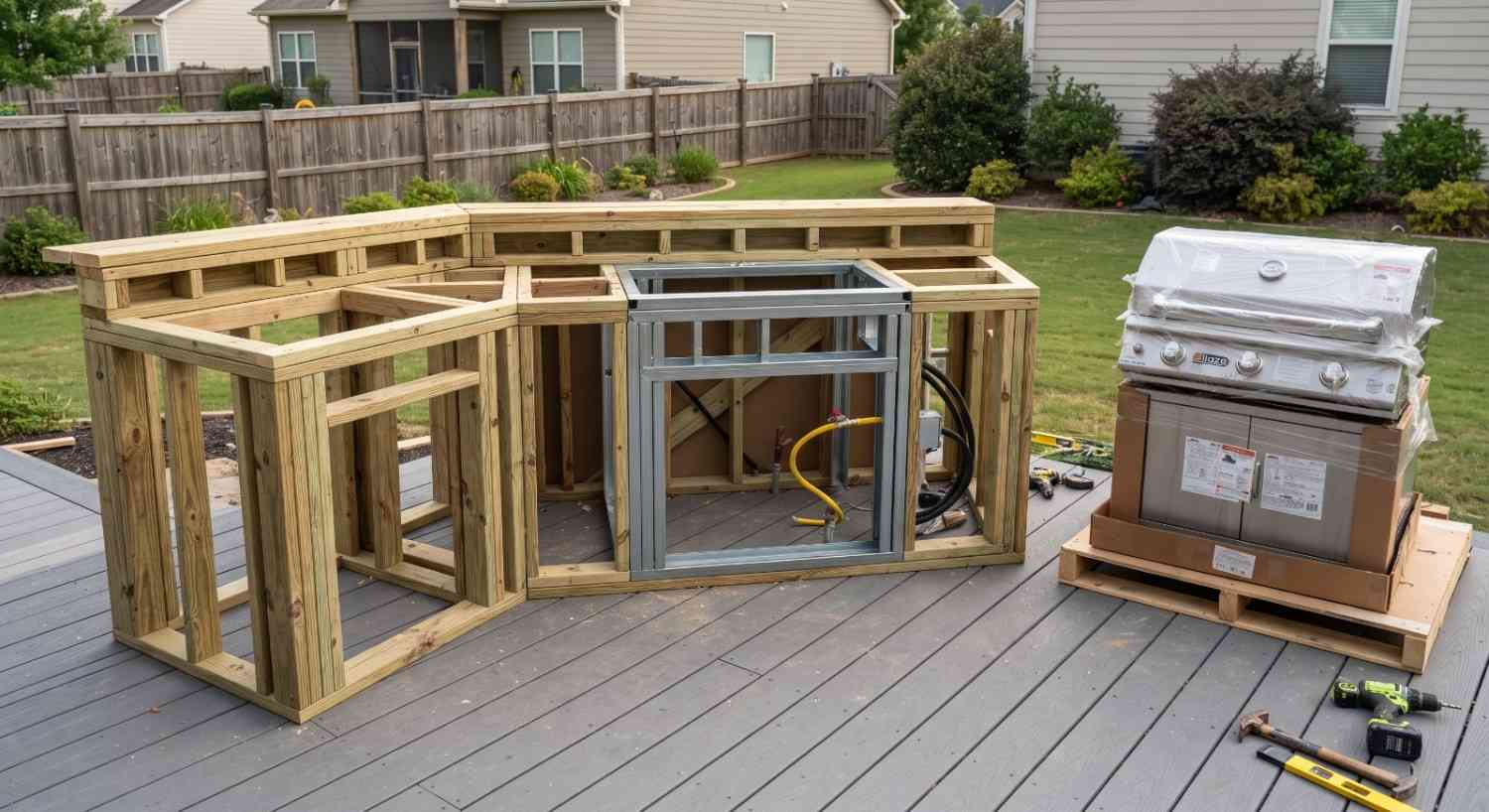
A built-in pizza oven typically runs on wood, gas, or a combination of both, and that choice affects everything from venting requirements to how the unit sounds and smells in use. A wood-fired oven’s smoke carries a scent that lingers longer into the evening, which is worth factoring in on a lot where a neighbor’s patio might sit close enough to notice it regularly. A gas unit produces less lingering scent, which can be the more neighbor-friendly choice on a tighter subdivision lot.
Smokers run for extended stretches, sometimes hours at a time, which means whatever scent or sound they produce persists longer than a quick pizza bake would. On a close-set lot, that duration is worth weighing alongside placement, since a shorter, more contained cook has less cumulative impact on a neighboring yard than an all-afternoon smoke session positioned right at the property line.
Regional Considerations
Built-In Ovens and Smokers in Idaho’s Climate
A masonry pizza oven is a substantial structure, and like any built-in element in this climate, it depends on a footing set below the frost line, regardless of how close neighboring lots sit. Meridian’s freeze/thaw cycles can move a foundation that wasn’t built to the right depth, and a shifting base under a heavy masonry oven tends to show up as cracking in the dome or surrounding structure.
On a newer property, drainage and grading haven’t settled into decades of habits yet, which usually makes it easier to plan the foundation and surrounding water routing correctly the first time, regardless of where on the lot the unit ends up.
A little distance and the right fuel choice go a long way toward staying on good terms with your neighbors. Let's plan for both.
Get a Free Site MeasureFind out what your yard allows
We come out and tell you what you are allowed to build before anything is drawn. On site, at no cost.
Or call (208) 856-3233Fuel Options
Wood, Gas, or Both?
Neither fuel type is universally better, the right choice depends on the experience you want and how much your closest neighbors factor into the decision.
Wood-Fired
Traditional flavor and high heat, though its lingering smoke scent carries further on a tighter subdivision lot than a gas unit would.
Gas-Fired
More consistent temperature control and minimal scent output, often the more neighbor-friendly choice on a close-set lot.
Dual-Fuel
Some units offer both options, adding flexibility at the cost of a more complex installation.
Smoker Fuel Types
Wood, charcoal, pellet, and electric smokers each produce different amounts of lingering scent over their typically longer cook times.
Placement and Clearance
Placement and Clearance Considerations
Distance from Neighboring Windows and Patios
Worth walking the property to identify where sound and scent would actually travel on a close-set lot.
Distance from Structures
Combustible materials and covered structures still factor into safe placement.
Ventilation Path
Smoke and heat need a clear path away from seating areas and, on a tighter lot, a neighbor’s outdoor space.
Footprint
Masonry pizza ovens require more dedicated space than a compact smoker.
Relation to the Cook Line
Often works best with some separation from the main grill and prep area.
Explore Covered Outdoor Kitchens
Not sure how your placement will actually feel from your neighbor's patio? Let's walk both sides of the fence line together.
Get a Free Site MeasureInstallation Planning
Planning the Installation Around Your Southeast Meridian Property
Placement starts with the usual clearance questions, but on a closer-set subdivision lot, it’s worth adding a genuine walk of the property line with neighboring windows and patios in mind. A spot that works fine on your own layout can still end up sitting closer to a neighbor’s regular outdoor space than either household would prefer.
From there, it’s a matter of confirming fuel type, weighing scent and sound duration against your typical use pattern, and positioning the unit relative to the rest of the kitchen.
Process
From Idea to Built-In Installation
Walk the Property Line
Identify where neighboring windows and patios sit relative to potential placement options.
Choose Fuel Type
Decide between wood, gas, or dual-fuel, weighing scent and sound against neighboring proximity.
Plan the Foundation
Build a base suited to the unit’s weight and Idaho’s frost line requirements.
Install Venting
Route flue or ventilation to direct smoke away from the closest neighboring outdoor space where possible.
Integrate with the Kitchen
Position the unit relative to the cook line, seating, and overall layout with neighbor courtesy in mind.
Local Area Context
Pizza Ovens and Smokers Across Southeast Meridian
Newer Southeast Meridian subdivisions tend to place homes closer together than an established or rural property would, which makes sound and scent carry to neighboring outdoor spaces more readily than they would on a more spread-out lot. That’s worth factoring into both fuel choice and placement here in a way that simply isn’t as pressing a consideration elsewhere in the city.
The right placement still comes from walking your specific yard and its property lines, not a standard layout used across the area.
Recent Work
Recent work
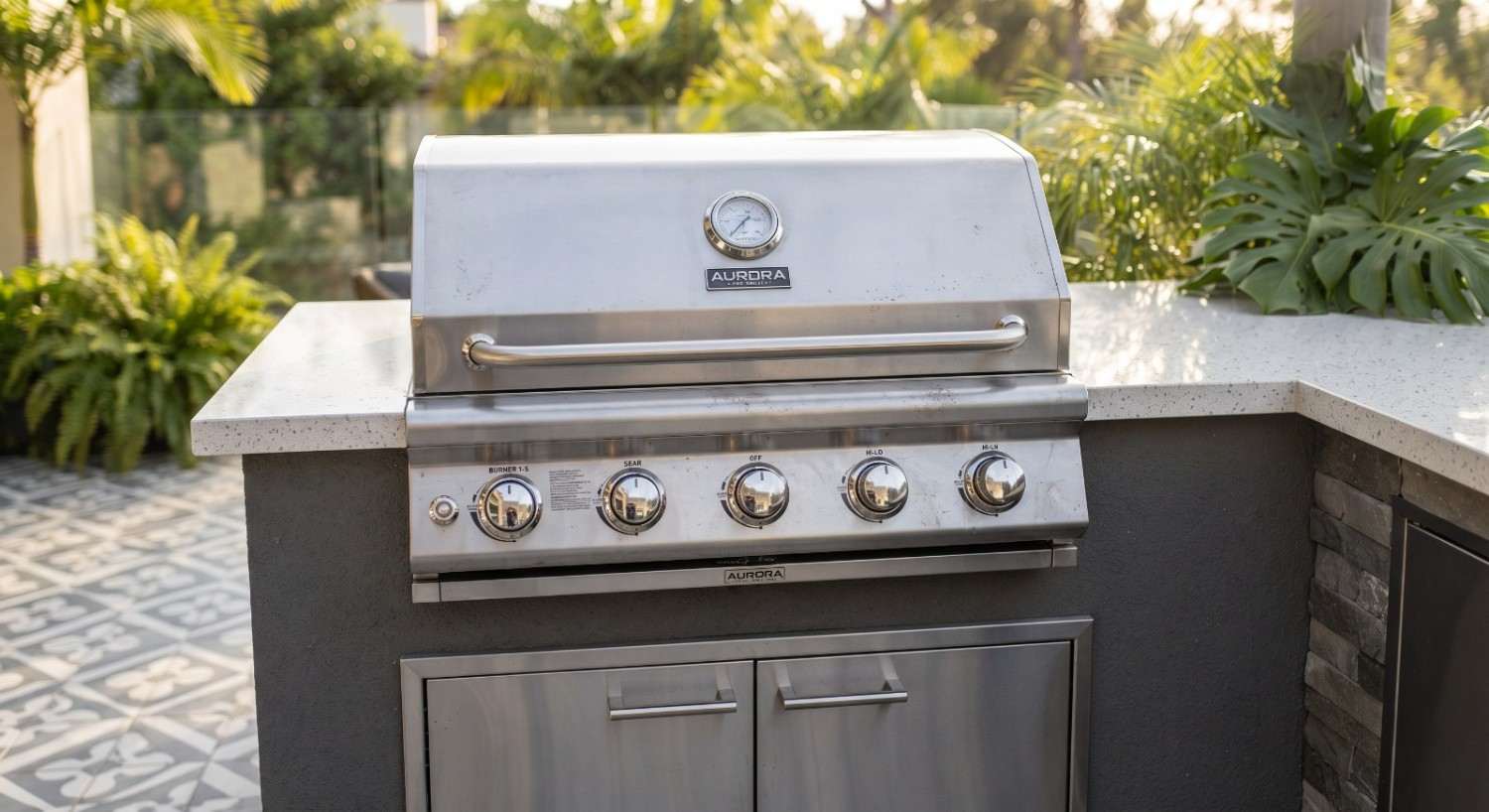
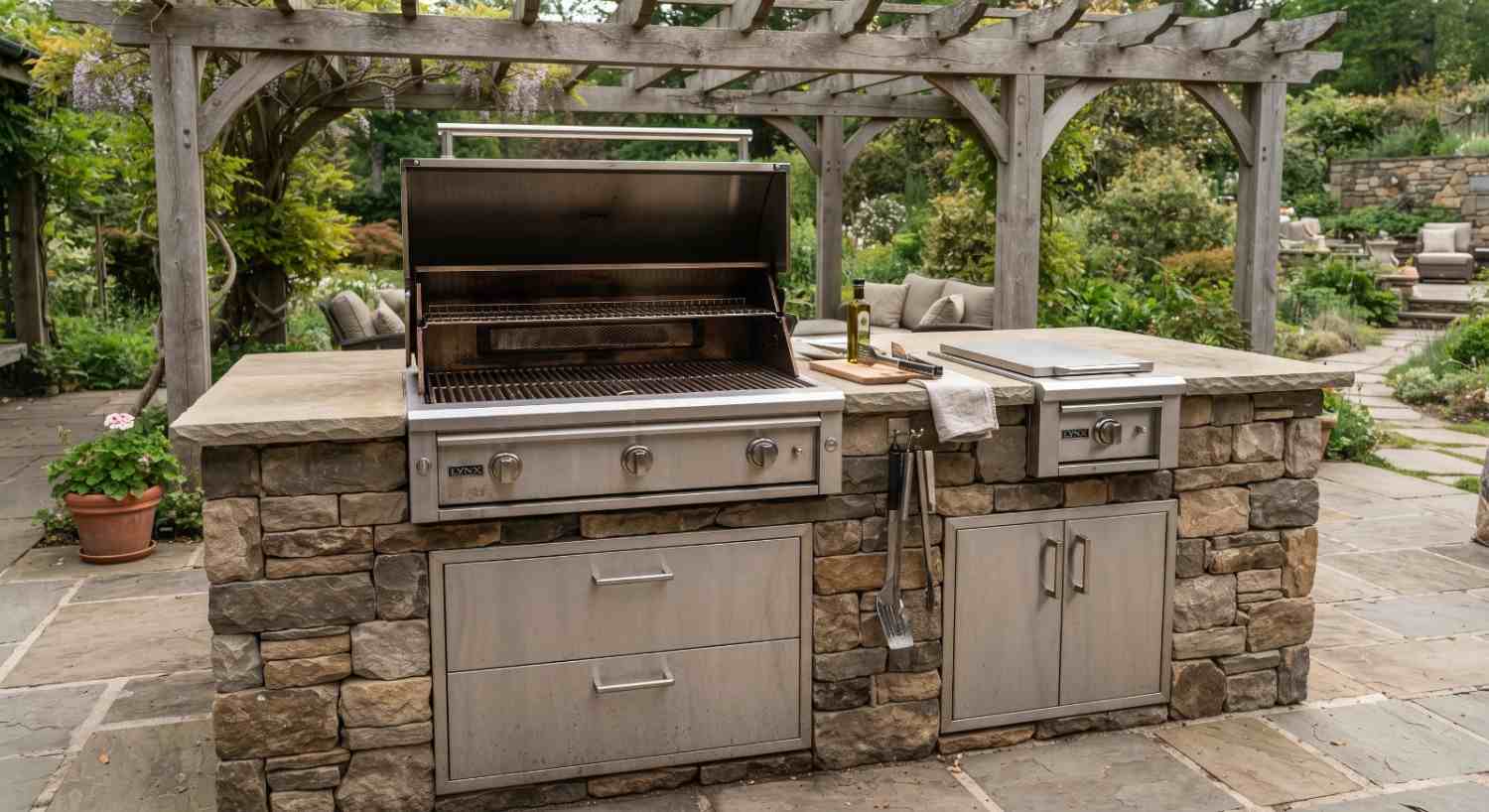
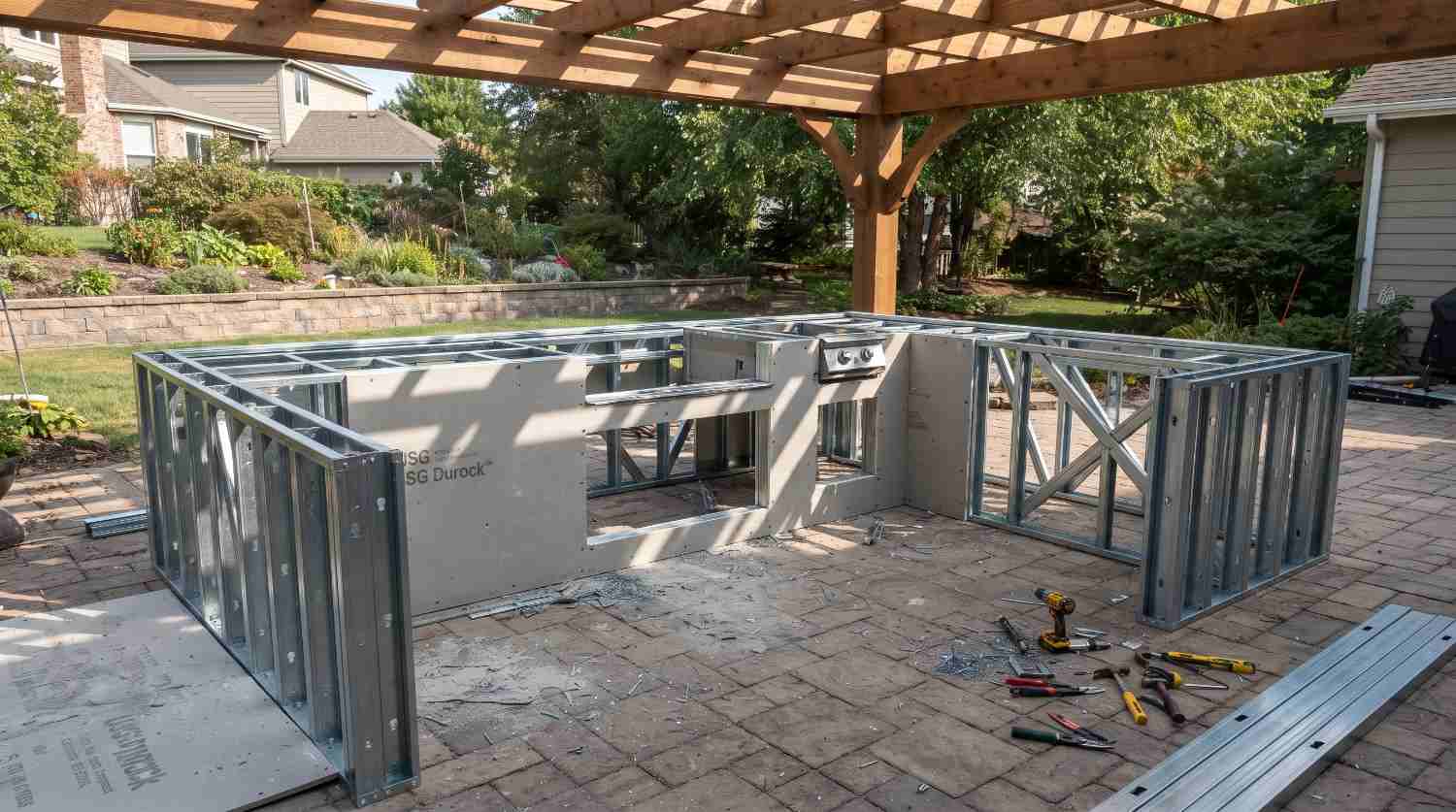
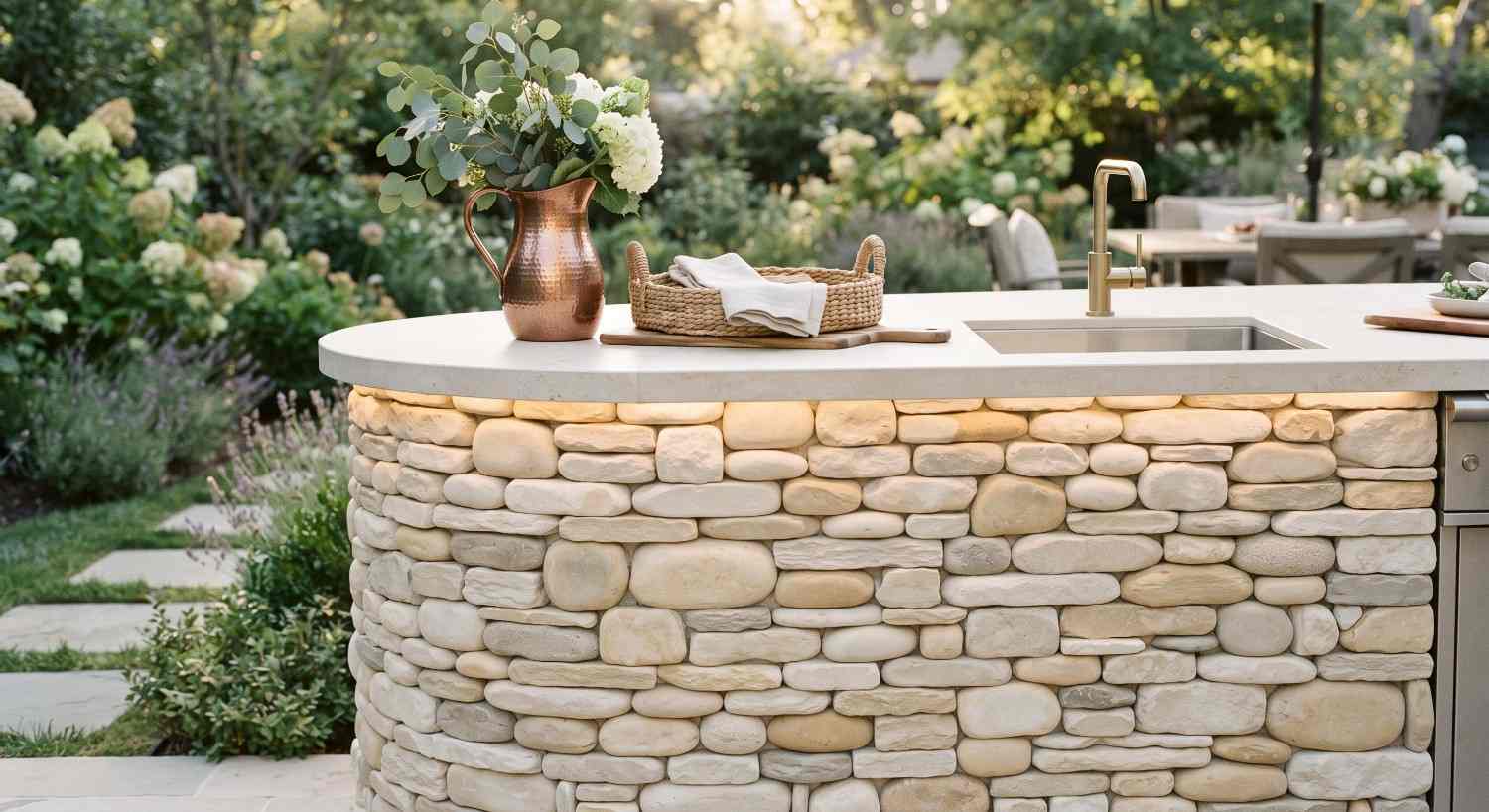
Our own work, photographed on site.
Approach
Which approach fits your space?
Outdoor Kitchen Construction
Integrate a pizza oven or smoker into a full kitchen build. Explore Construction
Covered Outdoor Kitchens
Add shade or weather protection over the oven area. Explore Covered Kitchens
Outdoor Kitchen Design
Plan clearance and placement before construction begins. Explore Design
Fire Pits & Fireplaces
Consider a separate gathering feature alongside your oven. Explore Fire Pits
Related
You may also be considering
Building on a Close-Set Subdivision Lot?
Start with a walk of your property line. We'll help you place your oven or smoker with your neighbors genuinely in mind.
Or call (208) 856-3233Common Questions
Frequently asked questions
Cost depends on the unit’s size, fuel type, materials, foundation requirements, and venting work involved. Since this varies significantly by project, it’s best discussed directly for your specific plans.
Gas produces less lingering scent, which can be the more considerate choice where neighboring homes sit close by. Wood-fired ovens remain an option with thoughtful placement.
There’s no fixed universal number, but walking the property to identify neighboring outdoor spaces and windows helps inform a placement that minimizes impact.
Permit requirements depend on the specific scope of work, particularly for structural, gas, or venting elements. Confirm requirements for your project with the City of Meridian and the appropriate authorities.
Often, yes, depending on available space, clearance, and utility access. A site assessment is the best way to confirm what’s possible for your existing layout.
Smokers typically run for longer stretches, which means whatever scent they produce persists over a longer period, worth weighing on a lot where neighbors sit close by.
Freeze/thaw movement can affect the foundation beneath a masonry oven if it wasn’t built to an adequate depth, regardless of lot size or neighboring proximity.
Many can, particularly with proper insulation and, where space allows, a covered structure that reduces wind and precipitation exposure.
Explore Built-In Pizza Ovens and Smokers across Meridian
Ready to Add a Centerpiece Your Whole Neighborhood Can Live With?
Every close-set lot has a spot that works for you and your neighbors both. Let's find it.
Get a Free Site Measure