Southwest Meridian
Built-In Pizza Ovens and Smokers in Southwest Meridian
A wood-fired oven throws embers, and on a standard subdivision lot, those embers land on a patio, a lawn, or a fence.
10 years building in Meridian
70+ outdoor kitchens completed
RCE-69511 Idaho registration
Reviewed by Janine Burrows Outdoor Kitchen Designer and Erica Jensen Office Manager, Outdoor Kitchen & Patio
Rural acreage west of Ten Mile Road often borders open pasture, cropland, or simply unmaintained grass that dries out considerably by mid-summer, which is exactly the kind of ground cover that carries an ember a meaningful distance if wind conditions cooperate with it. That’s a genuinely different risk profile than a standard subdivision lot’s landscaped yard and neighboring fences present.
It’s also worth knowing which fire district actually serves your specific property. Some rural areas outside standard city coverage rely on a volunteer or rural fire district with a longer typical response time than city-serviced neighborhoods, which is one more reason to build in a wider safety margin from the start rather than relying on a fast response if something does go wrong.
Local Planning
What Built-In Pizza Ovens and Smokers Look Like in Southwest Meridian
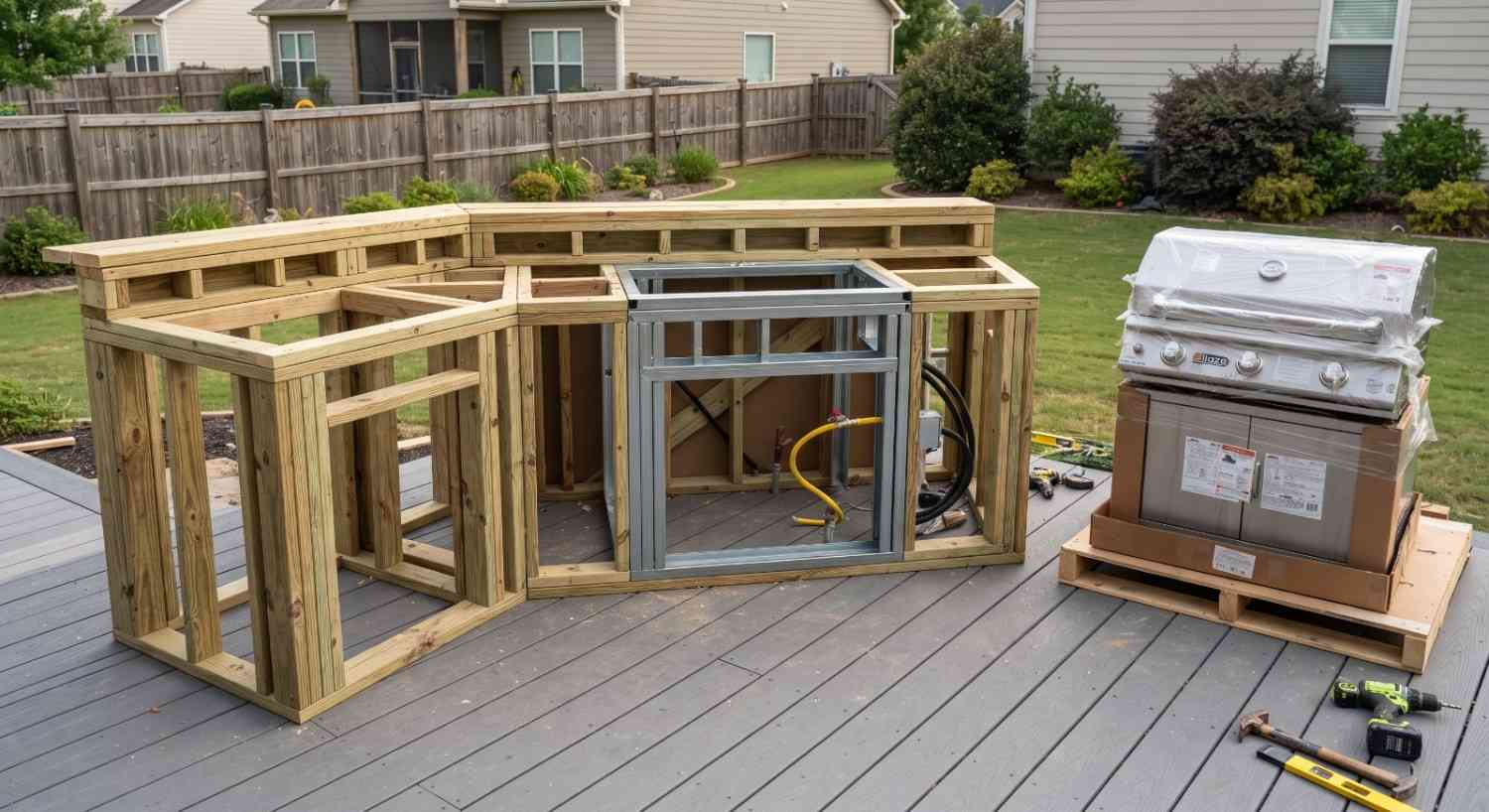
A built-in pizza oven typically runs on wood, gas, or a combination of both, and that choice affects everything from venting requirements to how much clearance it needs from combustible materials. On a property bordered by dry pasture or cropland for a good part of the year, that clearance conversation extends beyond the patio itself to the property line and whatever’s growing beyond it.
Smokers carry a related consideration, though generally a lower one, since they don’t throw embers the way an open wood fire does. Still, on a property with meaningful fire exposure from surrounding land, a spark arrestor on any chimney or flue, and a genuinely clear zone around the unit, are worth treating as standard practice rather than optional upgrades.
Regional Considerations
Built-In Ovens and Smokers in Idaho’s Climate
A masonry pizza oven is a substantial structure, and like any built-in element in this climate, it depends on a footing set below the frost line, regardless of what’s growing nearby. Meridian’s freeze/thaw cycles can move a foundation that wasn’t built to the right depth, and a shifting base under a heavy masonry oven tends to show up as cracking in the dome or surrounding structure.
On acreage, it’s also worth confirming the footing sits clear of any septic drain field, the same restriction that applies to any structure on a well and septic property, alongside the fire safety clearance from dry vegetation.
Open pasture nearby changes what real clearance looks like. Let's plan placement with that margin built in.
Get a Free Site MeasureFind out what your yard allows
We come out and tell you what you are allowed to build before anything is drawn. On site, at no cost.
Or call (208) 856-3233Fuel Options
Wood, Gas, or Both?
Neither fuel type is universally better, the right choice depends on the experience you want and how much fire safety margin your specific property’s surroundings call for.
Wood-Fired
Traditional flavor and high heat, but throws embers, which deserves real clearance from dry grass, pasture, or cropland nearby.
Gas-Fired
More consistent temperature control with no ember output, often the more conservative choice on a property bordered by open agricultural land.
Dual-Fuel
Some units offer both options, adding flexibility at the cost of a more complex installation.
Smoker Fuel Types
Wood, charcoal, pellet, and electric smokers each have different insulation, airflow, and ember-related clearance needs.
Placement and Clearance
Placement and Clearance Considerations
Distance from Dry Vegetation
Pasture, cropland, or unmaintained grass bordering the property calls for real, deliberate clearance from a wood-fired unit.
Spark Arrestor Use
Worth treating as standard on any chimney or flue where surrounding land carries genuine fire risk.
Distance from Structures
Combustible materials and covered structures still factor into safe placement.
Footprint
Masonry pizza ovens require more dedicated space than a compact smoker, though most rural lots have room to spare.
Septic Drain Field Clearance
On a well and septic property, confirm the footing sits clear of the drain field.
Explore Covered Outdoor Kitchens
Not sure how much clearance your property's surroundings actually call for? Let's walk the space together.
Get a Free Site MeasureInstallation Planning
Planning the Installation Around Your Southwest Meridian Property
Placement starts with an honest look at what borders your property, since pasture, cropland, or dry grass calls for a meaningfully wider safety margin than a landscaped neighboring yard would. On a standard subdivision lot, that consideration simply isn’t part of the equation.
From there, it’s a matter of confirming fuel type, septic drain field clearance if applicable, and how the oven or smoker relates to the rest of the kitchen within a placement that respects the property’s actual surroundings.
Process
From Idea to Built-In Installation
Assess Surrounding Land
Confirm whether dry pasture, cropland, or unmaintained grass borders your property.
Choose Fuel Type
Decide between wood, gas, or dual-fuel, weighing ember risk against your property’s specific surroundings.
Plan the Foundation
Build a base suited to the unit’s weight, Idaho’s frost line, and clear of any septic drain field.
Install Venting
Route flue or ventilation with a spark arrestor where fire exposure from surrounding land warrants it.
Integrate with the Kitchen
Position the unit relative to the cook line, seating, and overall layout with real safety margin built in.
Local Area Context
Pizza Ovens and Smokers Across Southwest Meridian
West of Ten Mile Road, rural acreage bordering open pasture or cropland introduces a genuine fire safety consideration for a wood-fired oven or smoker that a standard subdivision lot simply doesn’t share. Confirming which fire district serves your specific property, and building in real clearance from dry vegetation, is worth doing before placement is finalized.
The right placement still comes from walking your specific property and understanding what actually surrounds it, not an assumption based on general acreage.
Recent Work
Recent work
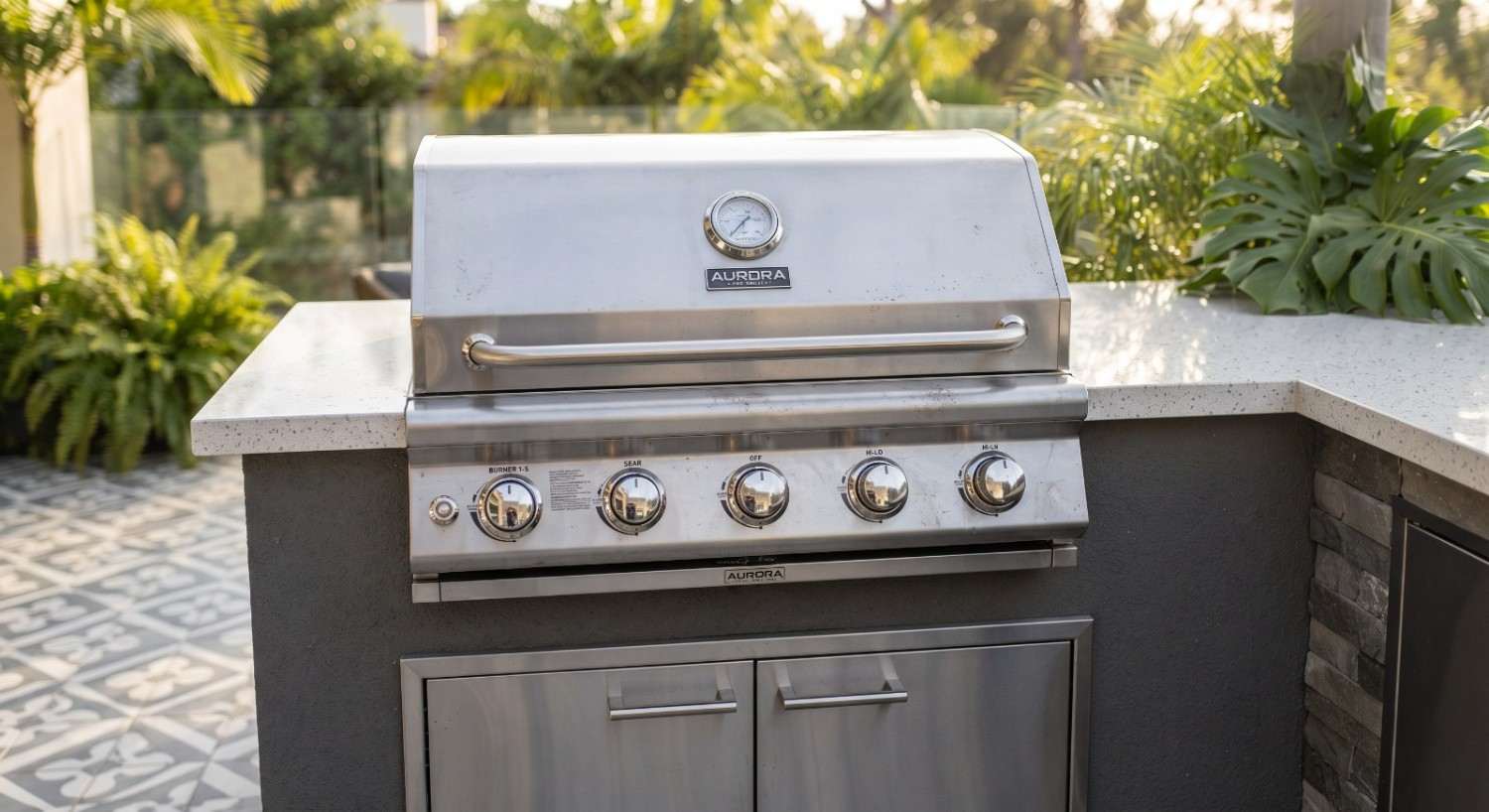
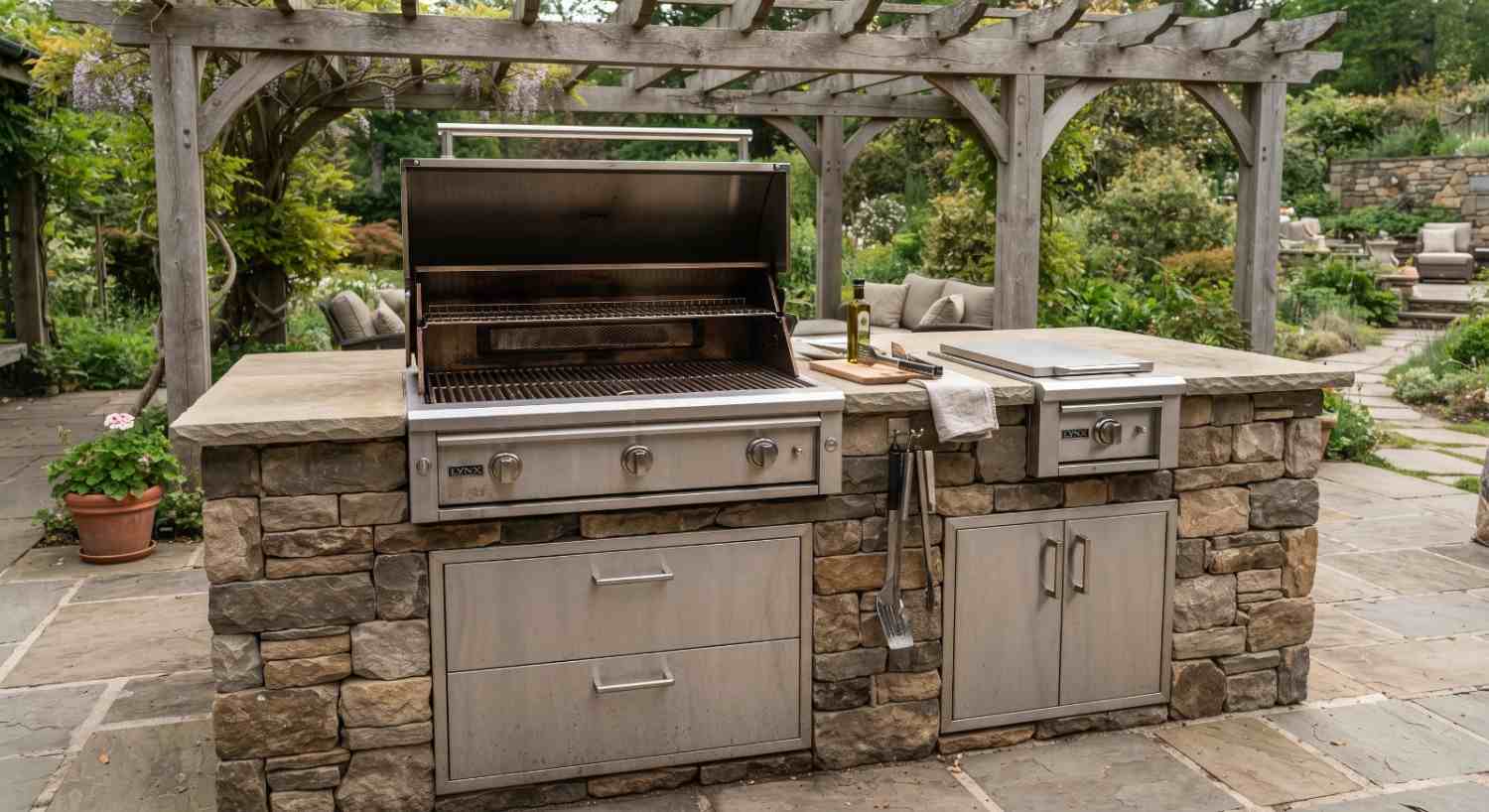
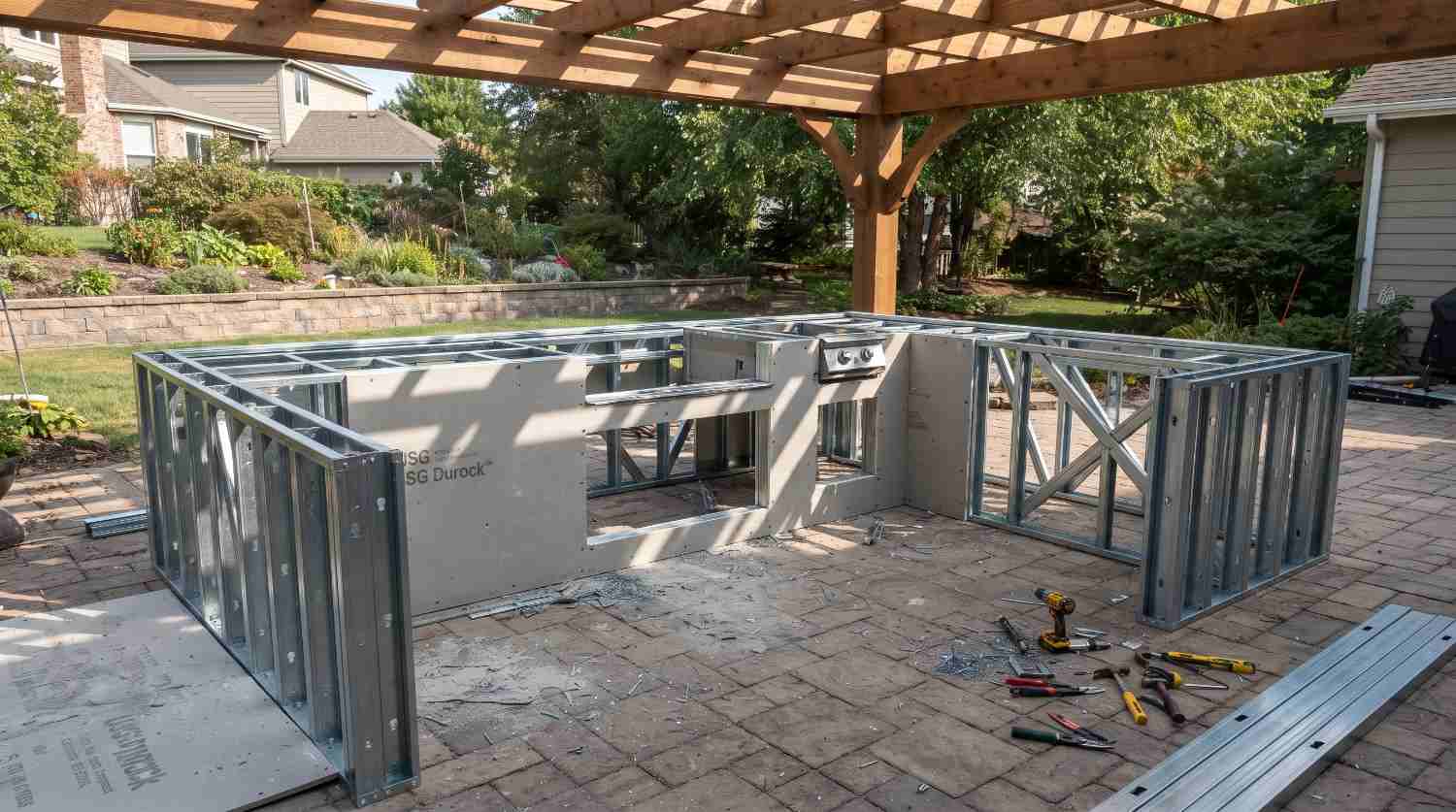
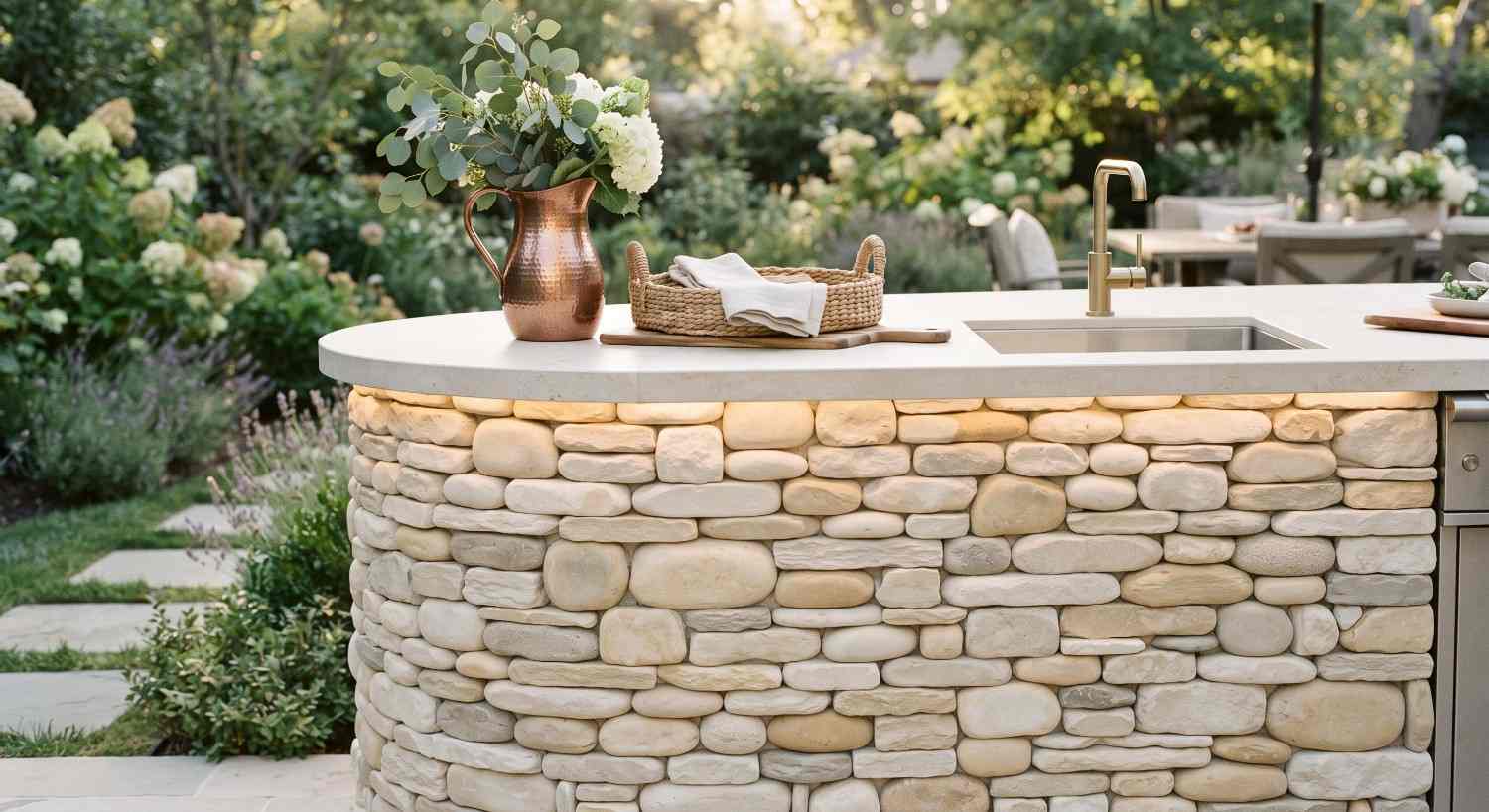
Our own work, photographed on site.
Approach
Which approach fits your space?
Outdoor Kitchen Construction
Integrate a pizza oven or smoker into a full kitchen build. Explore Construction
Covered Outdoor Kitchens
Add shade or weather protection over the oven area. Explore Covered Kitchens
Outdoor Kitchen Design
Plan clearance and placement before construction begins. Explore Design
Fire Pits & Fireplaces
Consider a separate gathering feature alongside your oven. Explore Fire Pits
Related
You may also be considering
Bordered by Open Land? Let's Plan Real Clearance Around It.
Start with what actually surrounds your property. We'll walk through fuel type and placement that respects it.
Or call (208) 856-3233Common Questions
Frequently asked questions
Cost depends on the unit’s size, fuel type, materials, foundation requirements, and venting work involved, including any additional clearance planning near open land. Since this varies significantly by project, it’s best discussed directly for your specific plans.
It can be, with real clearance from dry vegetation, a spark arrestor on the flue, and thoughtful placement relative to prevailing wind. Gas is a more conservative choice where fire exposure from surrounding land is a concern.
Your property’s address or a call to Ada County can confirm whether you’re served by a city department or a rural or volunteer fire district, which typically has a different response time.
Permit requirements depend on the specific scope of work, particularly for structural, gas, or venting elements. Confirm requirements for your project with the City of Meridian and the appropriate authorities.
Often, yes, depending on available space, clearance from surrounding land, and utility access. A site assessment is the best way to confirm what’s possible.
Yes, if your property is on a septic system. The footing needs to sit clear of the drain field, the same restriction that applies to any structure on that type of property.
Freeze/thaw movement can affect the foundation beneath a masonry oven if it wasn’t built to an adequate depth, regardless of what borders the property.
Many can, particularly with proper insulation and, where space allows, a covered structure that reduces wind and precipitation exposure.
Explore Built-In Pizza Ovens and Smokers across Meridian
Ready to Add a Centerpiece That Respects What Surrounds Your Property?
Every acreage property has a spot with real safety margin. Let's find it.
Get a Free Site Measure