Southeast Meridian
Outdoor Kitchen Winterization in Southeast Meridian
If your Southeast Meridian backyard includes a pool, you're probably already scheduling a professional pool closing each fall, draining lines, protecting the pump and heater, covering the pool before the first hard...
10 years building in Meridian
70+ outdoor kitchens completed
RCE-69511 Idaho registration
Reviewed by Janine Burrows Outdoor Kitchen Designer and Erica Jensen Office Manager, Outdoor Kitchen & Patio
A pool closing service typically covers the pool itself thoroughly: draining lines, winterizing the pump and heater, balancing chemicals, and covering the water before winter sets in. That’s a genuinely complete process for the pool, and a lot of Southeast Meridian households rely on it every fall.
What it doesn’t cover is anything else in the backyard. Your outdoor kitchen’s sink, ice maker, and gas connections are a completely separate system, and the pool company’s visit, however thorough for the pool itself, has no reason to touch them.
Local Planning
What Outdoor Kitchen Winterization Looks Like in Southeast Meridian

Leaving plumbing and sensitive components exposed without thinking about winter conditions can create problems later, even on a kitchen that’s only a season or two old. Winterizing typically means draining water lines and sinks, shutting off and insulating exposed plumbing, protecting or removing appliances that aren’t rated for freezing temperatures, and covering countertops and cabinetry that could be affected by snow, ice, or moisture sitting on the surface.
On a newer property, this process is usually straightforward once you know where the shutoffs are. The real risk isn’t complexity, it’s timing and assumption: if the pool’s been closed for the season, it’s easy to feel like the yard is “done” for winter when the kitchen hasn’t actually been addressed at all.
Regional Considerations
Why Winterization Matters Even for a New Kitchen
It isn’t the cold itself that causes most of the damage, it’s the freeze/thaw cycle, and that cycle doesn’t care whether your pool has already been professionally closed for the season. Water left in a kitchen’s line during the very first winter can freeze, expand, and crack a pipe or fitting just as easily as it would on an older system, regardless of what else in the yard has been prepared.
Treating pool closing and kitchen winterization as two separate, unrelated tasks, rather than assuming one implies the other, is what actually protects both parts of the property through an Idaho winter.
Your pool closing doesn't touch your outdoor kitchen. Let's make sure both actually get done before the freeze.
Get a Free Site MeasureFind out what your yard allows
We come out and tell you what you are allowed to build before anything is drawn. On site, at no cost.
Or call (208) 856-3233What to Protect
What Actually Needs Winterizing
Water Lines and Sinks
Drained and shut off to prevent freezing and cracking inside the pipe or fittings, separate from your pool’s own shutoff.
Gas Lines
Checked and, where applicable, prepared for the season depending on how the system is set up.
Refrigerators and Ice Makers
Assessed for whether they’re rated to sit through freezing temperatures or need to be powered down and protected.
Countertops and Cabinetry
Covered or cleared of standing moisture that could contribute to freeze damage over time.
Grills and Burners
Cleaned and covered to prevent moisture buildup and corrosion over the off-season.
When to Winterize
Timing and Preparation
Before the First Hard Freeze
Water lines should be drained before temperatures consistently drop below freezing, not after.
Don't Assume Pool Closing Covers It
Your kitchen’s plumbing is a completely separate system from your pool’s, even if both need attention around the same time of year.
Consider Scheduling Both Together
Since the seasonal timing overlaps, it can be efficient to plan kitchen winterization around your existing pool closing appointment.
Check Weather Trends
Idaho’s fall weather can shift quickly, so it’s worth watching forecasts rather than relying on a fixed calendar date.
Learn Your Setup Once
Repeat Annually, The first winterization is often the most time-consuming, since you’re learning where everything is; subsequent years tend to go faster.
Explore Covered Outdoor Kitchens
Already scheduled your pool closing? Let's make sure your kitchen gets the same attention.
Get a Free Site MeasureSeasonal Planning
Planning Winterization Around Your Southeast Meridian Property
What a specific kitchen needs depends on its appliances and plumbing layout, which on a newer property is usually straightforward and well-documented. The bigger planning question here is timing and awareness: making sure the kitchen doesn’t fall through the cracks between “the pool company already came” and actually getting its own separate attention before the freeze.
The most useful step is treating the kitchen as its own seasonal task rather than an extension of the pool closing.
Process
From Fall Checklist to Winter-Ready Kitchen
Separate the Two Systems Mentally
Recognize that pool closing and kitchen winterization are two different tasks, even if timed similarly.
Learn the Kitchen's Setup
Identify what plumbing, gas, and electrical components are connected, especially in the first year.
Drain and Shut Off Water Lines
Prevent standing water from freezing inside pipes and fittings.
Protect Appliances
Power down, cover, or remove appliances not rated for freezing conditions.
Confirm Before the Freeze
Complete winterization ahead of the first sustained cold snap, not during it.
Local Area Context
Winterization Needs Across Southeast Meridian
Because pools are common in newer Southeast Meridian backyards, most households here are already in the habit of scheduling a seasonal pool closing service. That habit is worth extending deliberately to the outdoor kitchen, which runs on a completely separate system that the pool company’s visit won’t touch.
Once that distinction is clear, most newer kitchens here settle into a fairly quick, predictable winterization routine each year.
Recent Work
Recent work
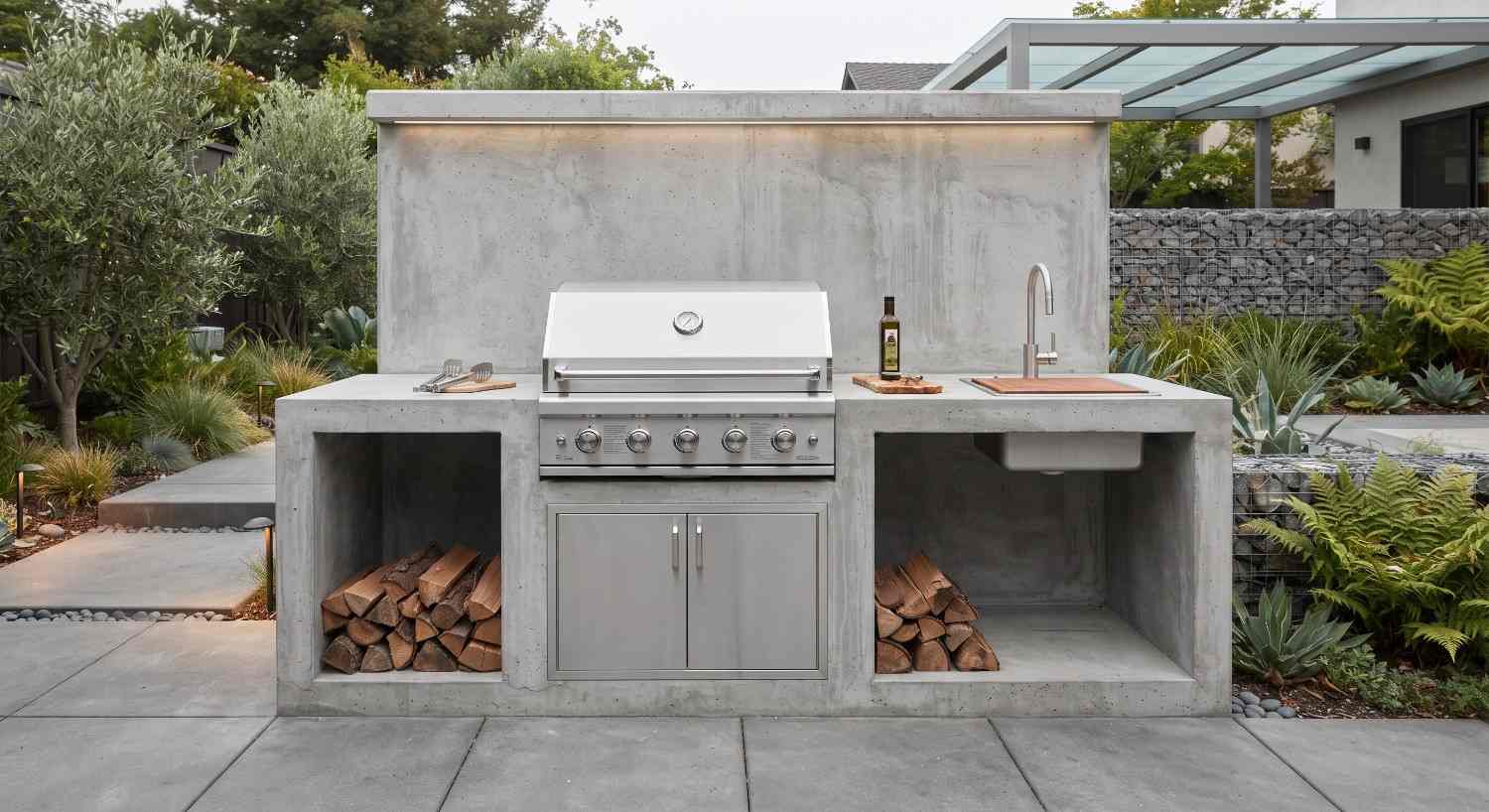
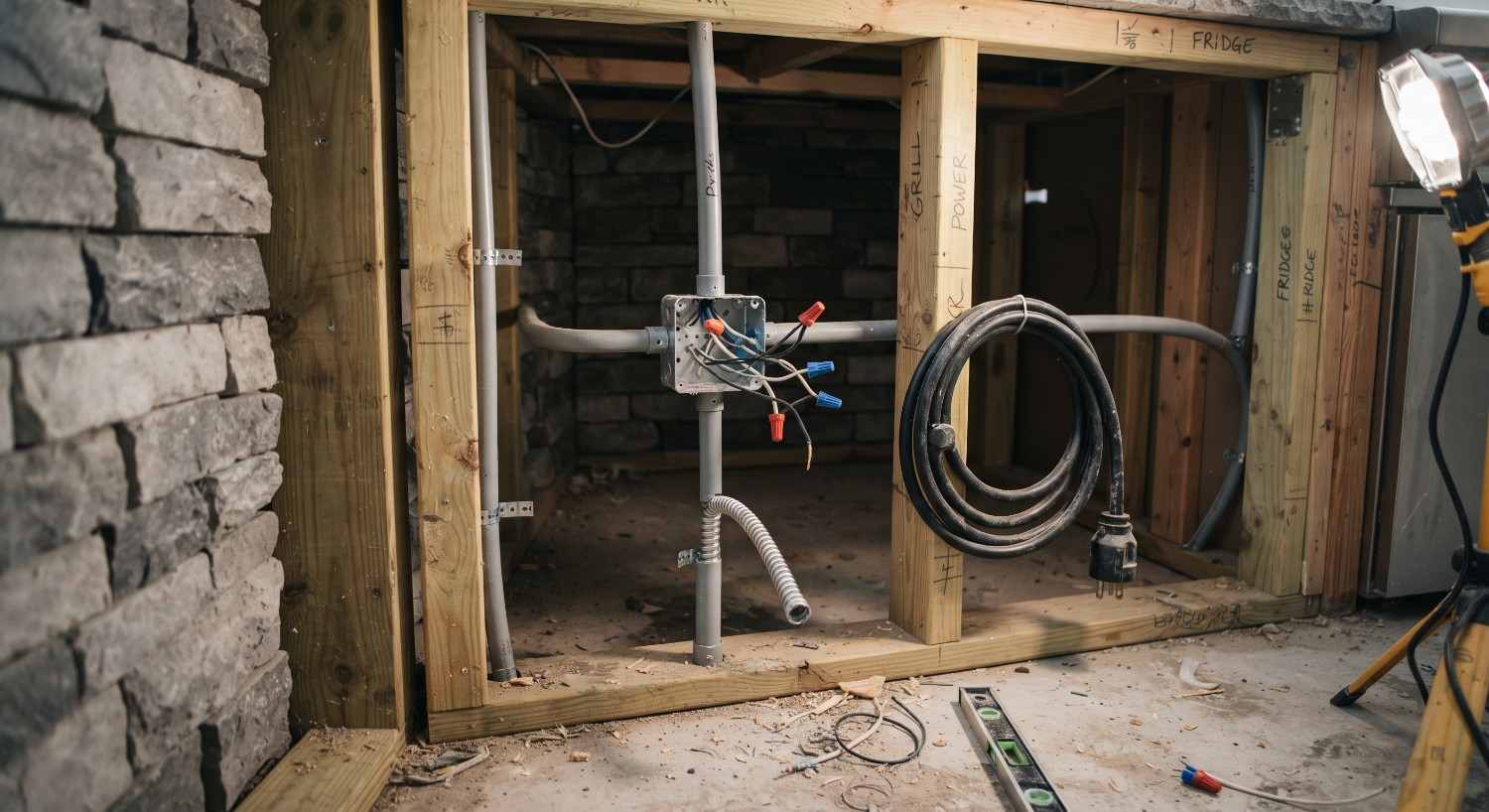
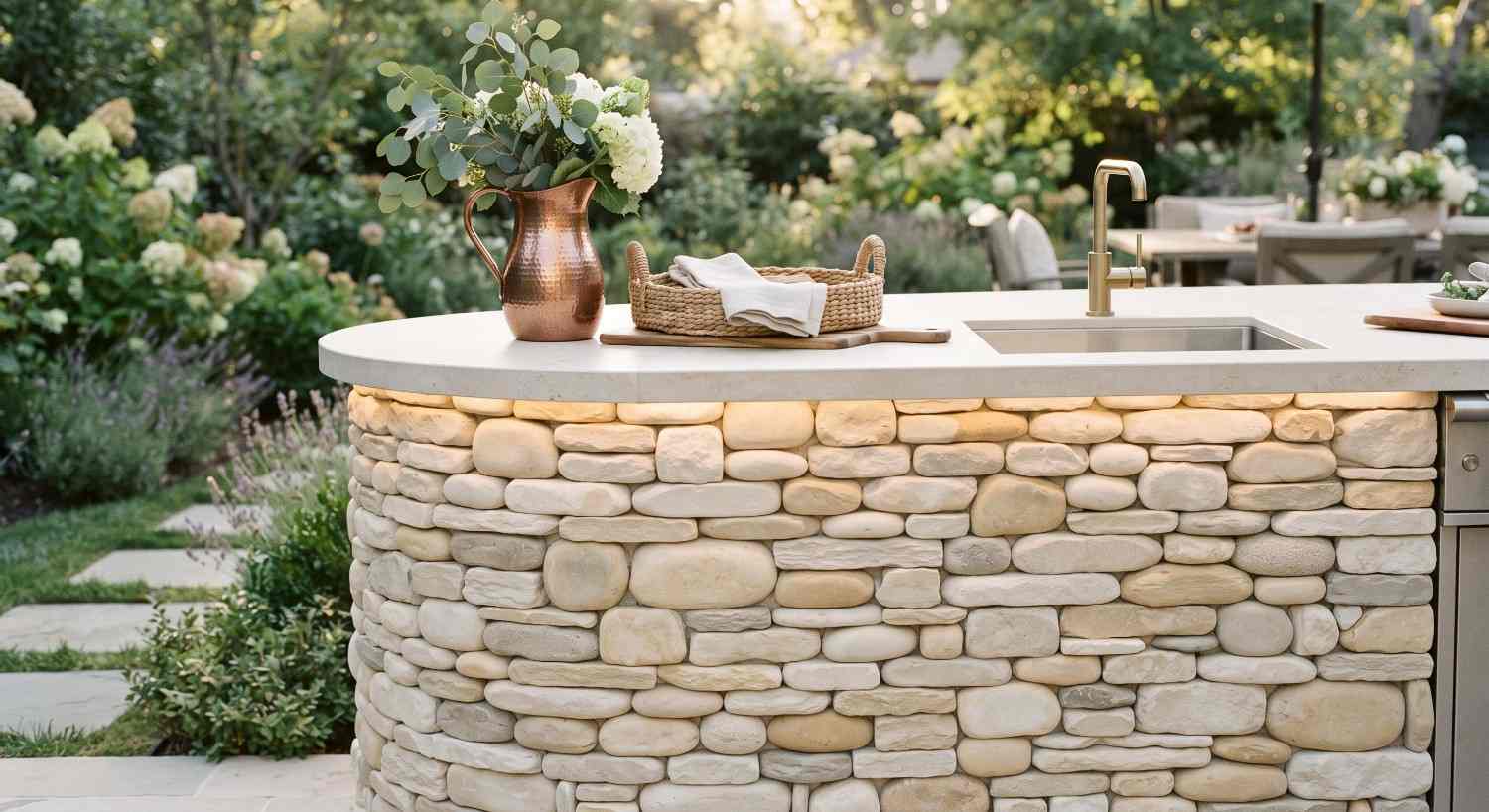
Our own work, photographed on site.

Approach
Which approach fits your space?
Repair
Already seeing freeze damage? Address it directly. Explore Repair
Covered Kitchens
Reduce winter exposure with a pergola or pavilion. Explore Covered Kitchens
Heating
Extend usable months even through cooler weather.
Outdoor Kitchen Construction
Planning a new kitchen? Build winterization access in from the start. Explore Construction
Related
You may also be considering
Already Closed Your Pool for the Season?
Your outdoor kitchen needs its own separate attention. We'll walk you through exactly what it takes before your first Idaho winter with it.
Or call (208) 856-3233Common Questions
Frequently asked questions
Cost depends on the kitchen’s complexity and how many appliances and utility connections need attention. It’s best discussed directly for your specific kitchen.
No. Pool closing only addresses your pool’s own plumbing, pump, and heater. Your outdoor kitchen’s water and gas lines are a separate system that needs its own winterization.
Yes. Freeze/thaw damage doesn’t wait for a kitchen to age, a first-winter freeze can crack a pipe or fitting just as easily as it would on an older system.
They can be scheduled around the same general timeframe, since both need to happen before the first hard freeze, but they’re separate services performed on separate systems.
Water left in lines can freeze and crack pipes or fittings, and exposed appliances or materials can suffer damage from repeated freeze/thaw cycles, even in the first year.
Often, yes, since newer plumbing and utility layouts are usually built with more accessible shutoffs, making the process more straightforward once you know where everything is.
The first year often takes a bit longer while you’re learning the setup. Subsequent years, especially on a well-documented newer system, tend to go more quickly.
Yes. It’s a seasonal task tied to Idaho’s climate, not a one-time fix, and it applies from the very first winter a kitchen is in use, separate from whatever your pool closing covers.
Explore Outdoor Kitchen Winterization across Meridian
Ready for Winter, Kitchen Included?
Your pool isn't the only thing that needs attention before the freeze. Let's get your kitchen ready too.
Get a Free Site Measure